![[Logo alt text]](https://irp.cdn-website.com/6009611f/dms3rep/multi/DH-Homes-logo-7c8f70e8.svg)
How to Improve Space and Flow Without Rebuilding Everything
Not every home improvement project needs to involve a full rebuild. In many cases, thoughtful design changes can improve how a home feels and functions without completely starting over.
Better flow, improved storage, more natural light and stronger room connection can all make a home feel more spacious and practical. The key is understanding which changes will have the biggest impact and how they can work with the existing property.
If you are considering improving your home, explore our house extensions or contact our team to discuss your project.
1. Rework the layout before adding space
Sometimes a home feels cramped because the layout is inefficient rather than too small. Walls, room positioning and awkward circulation can make spaces feel disconnected or underused.
Reworking how rooms connect can improve flow and functionality without significantly increasing the footprint. Opening up living areas, improving sightlines and reducing unnecessary barriers can make the home feel more open and usable.
Before considering major structural changes, it is worth reviewing whether the current floor plan is making the best use of the available space.
2. Improve indoor-outdoor connection
Connecting internal spaces more effectively with outdoor areas can make the home feel larger and more comfortable. This might include larger openings, better access to outdoor living areas or changes that improve visibility and movement between spaces.
For many Australian homes, stronger indoor-outdoor flow can improve both everyday living and entertaining.
Natural light and ventilation also tend to improve when the relationship between indoor and outdoor areas is planned more carefully.
3. Focus on natural light
Natural light has a major impact on how spacious a home feels. Dark rooms, blocked sightlines and heavy finishes can make even larger homes feel closed in.
Simple changes such as improving window placement, using lighter finishes or adjusting room layouts can help light move more effectively through the home.
Helpful information about comfortable and efficient home design is available through Your Home.
4. Use storage more strategically
Clutter can make a home feel smaller than it really is. Better storage planning can improve organisation and help living areas feel calmer and more open.
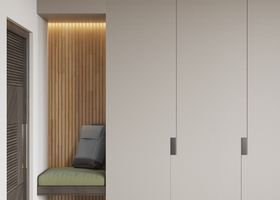
Built-in joinery, smarter cabinetry and better use of underutilised areas can all contribute to a more functional layout. Storage should support the way the household actually lives day to day.
For projects involving tailored layouts and practical design solutions, our custom home designs approach can help shape a more functional result.
5. Consider how finishes affect the feel of the space
Materials, colours and finishes can influence how open or enclosed a home feels. Consistent flooring, lighter palettes and cohesive interior selections can help spaces feel more connected.
Interior decisions should support the overall layout and not compete with it. This is especially important in homes where several smaller rooms are being updated to feel more unified.
Our interior design service can help guide decisions around finishes, flow and functionality.
6. Identify where small changes can make a big difference
Not every improvement needs to involve major construction. Sometimes smaller adjustments such as widening openings, improving storage, changing room use or refining lighting can noticeably improve how the home functions.
The most effective projects often focus on solving the biggest day-to-day frustrations first rather than changing everything at once.
For broader building guidance, the Australian Building Codes Board provides useful Australian resources.
Final thoughts
Improving space and flow is often about making smarter use of what already exists. Thoughtful layout changes, better light, stronger room connection and practical storage can transform how a home feels without requiring a complete rebuild.
If you are planning a renovation, extension or home improvement project, get in touch with our team to discuss your next steps.
Read more