![[Logo alt text]](https://irp.cdn-website.com/6009611f/dms3rep/multi/DH-Homes-logo-7c8f70e8.svg)
How to Plan a Custom Home on the Sunshine Coast
Planning a custom home on the Sunshine Coast is an exciting opportunity to create a home that suits your lifestyle, site and long-term plans. It also takes careful thinking. The more clearly you understand your goals early, the easier it becomes to make confident decisions as the project develops.
A custom home is not just about choosing a floor plan or selecting finishes. It is about shaping a home around how you want to live, how the block works and how each space should function day to day. Good planning helps bring all of those elements together in a practical way.
If you are starting to explore a tailored home project, you can learn more about our custom home designs or contact our team to discuss your ideas.
1. Start with the way you want to live
Before thinking too deeply about materials or finishes, consider how you want your home to support everyday life. Think about how your household uses shared spaces, how much storage you need, whether you work from home and how you want indoor and outdoor areas to connect.
These practical details often shape the success of a custom home more than any single design feature. A home that looks impressive but does not support your daily routine can quickly become frustrating.
Writing down your priorities early can help your builder and design team understand what matters most. It also gives you a useful reference point when decisions need to be made later.
2. Understand your site
The Sunshine Coast has a wide range of property types, from coastal blocks to leafy residential streets and hinterland settings. Each site brings different opportunities and constraints.
Orientation, slope, access, privacy, views, neighbouring homes and exposure to weather can all influence the design and construction approach. A well-planned custom home should respond to the block rather than ignore it.
Early site review helps guide decisions around layout, natural light, ventilation, outdoor living and how the home sits within its surroundings.
3. Set a realistic budget range
Budget planning is an important part of a custom home project. It helps determine the scale of the build, the level of finishes and which features should be prioritised.
You do not need every cost finalised at the very beginning, but it helps to have a realistic budget range and to be open about your priorities. This allows the project team to guide decisions around scope, materials and trade-offs.
Clear budget conversations early can reduce stress later and help keep the project aligned with what is achievable.
4. Think about design and build together
Strong design needs to work in real-world construction. Layout, structure, materials and finishes should all be considered with buildability in mind.
When design and construction thinking are connected early, it becomes easier to protect the overall intent of the home while keeping the project practical. This is especially important for a custom build where the home is being shaped around the site and brief.
You can explore our approach to custom builds to see how planning and construction come together.
5. Consider interiors from the beginning
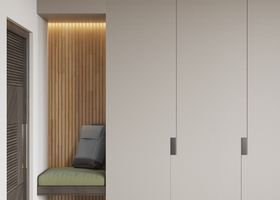
Interior decisions have a major impact on how a custom home feels and functions. Storage, materials, lighting, cabinetry, finishes and room flow should not be treated as afterthoughts.
Considering interiors early helps create a more cohesive result. It also gives practical decisions more context, especially when choosing finishes that need to suit the home, lifestyle and long-term use.
If you want support refining finishes, flow and detail, our interior design service can help bring those decisions together.
6. Allow time for approvals and documentation
Before construction can begin, the project needs the right documentation and approvals. This stage may include drawings, engineering input, compliance requirements and other preparation depending on the property and scope.
While this part of the process can feel less visible than construction, it is essential. Good documentation helps reduce confusion, supports smoother coordination and gives the build a stronger foundation.
For general guidance on Australian building standards, the Australian Building Codes Board is a useful resource.
7. Plan for communication during the build
A custom home involves many decisions. Knowing how communication will work before construction starts can make the process feel clearer and more manageable.
Ask how updates will be provided, when decisions are needed and who you will speak with throughout the project. Clear communication helps you stay informed without feeling overwhelmed by every small detail.
This is one of the simplest ways to reduce uncertainty and keep the project moving in the right direction.
Final thoughts
Planning a custom home on the Sunshine Coast is about more than deciding what the finished house will look like. It is about understanding your lifestyle, your site, your budget and the process required to bring everything together.
With thoughtful planning, clear communication and the right support, a custom home can feel practical, personal and well suited to the way you live.
If you are ready to start planning your custom home, get in touch with our team to discuss your next steps.
Read more